Tag Archive for: valve actuation

Posts

Concentric Marine Butterfly Valve

1. Product Overview

The Concentric Marine Butterfly Valve (also known as Centerline Marine Butterfly Valve) is a widely used flow control valve in marine piping systems. It is designed for applications such as seawater, freshwater, fuel oil, lubricating oil, ballast water, fire-fighting and ventilation systems on board ships.

With its proven concentric design, compact structure and reliable sealing performance, this valve type has become a standard choice for shipyards, shipowners and marine system integrators worldwide.

2. Design Features

2.1 Concentric (Centerline) Design

The shaft centerline coincides with the centerline of the disc and the valve body. During opening and closing, friction between the disc and seat is minimized, resulting in smooth operation and extended service life of sealing components.

2.2 Soft Seated, Reliable Sealing

The valve is typically equipped with soft seats such as NBR, EPDM or PTFE, providing tight shut-off and bi-directional sealing, suitable for low- and medium-pressure marine systems.

2.3 Wafer Type Structure

The wafer-type design ensures compact installation, reduced weight and space saving, making it ideal for the limited space conditions commonly found on board vessels.

2.4 Flexible Material Options

Valve Body: Cast Iron, Ductile Iron, Carbon Steel, Stainless Steel

Disc: Stainless Steel, Aluminum Bronze (C95400)

Stem: Stainless Steel / Duplex Stainless Steel

These material combinations provide excellent corrosion resistance in harsh marine environments.

3. Standards & Certifications

The concentric marine butterfly valve can be manufactured in accordance with major international standards and marine requirements:

Design & Manufacturing: API 609 / ISO 5752

Flange Standards: EN 1092-1 / ANSI B16.5 / JIS

Pressure Rating: PN10 / PN16 / Class 150

Marine Class Approvals (Optional): ABS, DNV, CCS, LR, BV

4. Typical Marine Applications

Seawater Cooling Systems/Ballast Water Systems/Fuel Oil & Lubricating Oil Systems/Fire Fighting & Bilge Systems

Marine Ventilation and Pipeline Isolation Systems

5. Key Advantages for Shipowners & Buyers

Proven and mature valve design widely accepted in marine industry

Low operating torque, suitable for lever, gearbox, electric or pneumatic actuators

Easy mantenance and low spare parts cost

Stable quality and delivery for shipyard batch projects

Complete technical documentation and marine certificates available upon request

6. Why Choose Our Concentric Marine Butterfly Valves

We specialize in the manufacturing and export of marine butterfly valves, supported by in-house casting, machining, assembly and inspection capabilities. Our products are supplied to overseas shipowners and shipyards, meeting diverse project requirements and marine class standards.

Reliable quality, clear technical documentation and professional marine experience make us a trusted long-term partner for global marine valve supply.
Concentric Marine Butterfly Valve Manufacturer & Supplier

Marine Butterfly Valve for Shipbuilding and Offshore Applications

The Concentric Marine Butterfly Valve, also known as a concentric Marine Butterfly Valve, is a widely used valve for flow control and isolation in shipbuilding and marine piping systems. As an experienced marine butterfly valve manufacturer and supplier, we provide reliable and cost-effective valve solutions for global shipyards, shipowners and marine engineering companies.

Our concentric butterfly valves are designed for seawater, freshwater, ballast water, fuel oil, lubricating oil and fire-fighting systems, offering stable performance and long service life in harsh marine environments.

Concentric (concentric) Marine Butterfly Valve Design

The valve features a concentric shaft and disc design, where the stem, disc and valve body share the same axis. This concentric structure ensures smooth opening and closing, reduced friction between disc and seat, and improved sealing durability.

Equipped with a soft resilient seat, the valve provides bi-directional tight shut-off, making it suitable for low- and medium-pressure marine applications.

Key Advantages of Our Marine Butterfly Valves

Compact wafer type marine butterfly valve design/Reliable bi-directional sealing performance

Low operating torque and smooth operation/Easy installation and maintenance for shipboard piping

Competitive cost for shipyard and fleet projects

These advantages make the concentric marine butterfly valve one of the most commonly selected valves in modern shipbuilding.

Materials for Marine Service

To meet different marine working conditions, we offer multiple material options:

Valve Body: Cast Iron, Ductile Iron, Carbon Steel, Stainless Steel

Valve Disc: Stainless Steel, Aluminum Bronze (C95400)

Valve Seat: NBR, EPDM, PTFE, Viton

Stem: Stainless Steel or Duplex Stainless Steel

All materials are selected to ensure corrosion resistance and long-term reliability in seawater and marine environments.

Standards and Marine Class Approval

Our concentric marine butterfly valves are manufactured in accordance with international standards:

API 609 / ISO 5752/EN 1092-1 / ANSI B16.5 / JIS Pressure Rating: PN10 / PN16 / Class 150

Marine class certification is available upon request, including ABS, DNV, CCS, LR and BV, to meet shipyard and shipowner requirements.

Typical Applications in Marine Systems

Seawater cooling systems/Ballast water systems/Fuel oil and lubricating oil systems

Fire-fighting and bilge systems/Marine pipeline isolation and control

Your Reliable Marine Butterfly Valve Supplier

With stable manufacturing capability, strict quality control and export experience, we supply high-quality concentric marine butterfly valves with complete technical documentation and reliable delivery schedules.

If you are looking for a marine butterfly valve supplier,concentric butterfly valve manufacturer, or marine butterfly valve for shipbuilding, please contact us for technical details and quotations.

How to Choose Butterfly Valves for Seawater Systems

Selecting the right butterfly valve for seawater systems is essential to ensure long-term reliability, corrosion resistance, and safe operation in marine applications. Seawater presents unique challenges due to its corrosive nature and continuous exposure to harsh operating conditions.

1. Material Selection

Material choice is the most critical factor for seawater systems. Components in direct contact with seawater must provide excellent corrosion resistance.

Commonly recommended materials include:

Bronze (e.g. C95400 aluminum bronze) for valve discs

Ductile iron or carbon steel bodies with suitable coatings

Stainless steel or corrosion-resistant alloys for shaft

Using improper materials may lead to corrosion, leakage, and premature valve failure.

2. Valve Seat Design

Both soft seated and metal seated butterfly valves can be used in seawater systems, depending on operating conditions.

Soft seated valves provide excellent sealing performance and are suitable for most seawater cooling and ballast systems.

Metal seated valves are preferred for higher temperatures or severe service conditions.

The correct seat selection improves sealing reliability and extends service life.

3. Pressure and Temperature Ratings

Seawater systems operate under different pressure and temperature conditions depending on vessel type and system design. Butterfly valves must be selected with appropriate pressure ratings to ensure safe operation.

Always verify:

Design pressure/Operating temperature/Applicable marine standards

4. Compliance with Marine Classification Requirements

For shipbuilding projects, butterfly valves must meet the requirements of marine classification societies such as ABS, DNV, CCS, and LR.

Valves should be supplied with:

Material traceability/Pressure test records/Inspection and certification documents

This ensures smooth approval during vessel construction and commissioning.

5. Manufacturer Experience and Quality Control

Choosing an experienced marine valve manufacturer is as important as selecting the valve itself. Manufacturers with marine application experience understand classification rules, seawater corrosion challenges, and quality control requirements.

Working with a reliable manufacturer reduces project risk and ensures consistent product quality.

Conclusion

Proper selection of butterfly valves for seawater systems requires careful consideration of materials, seat design, operating conditions, and certification requirements. A well-selected valve improves system reliability, reduces maintenance costs, and ensures long-term marine performance.

Tianjin Tanghai Dongyang Valve Co., Ltd. manufactures marine butterfly valves designed for seawater systems, with materials and designs suitable for ABS, DNV, CCS, and LR certified marine applications.

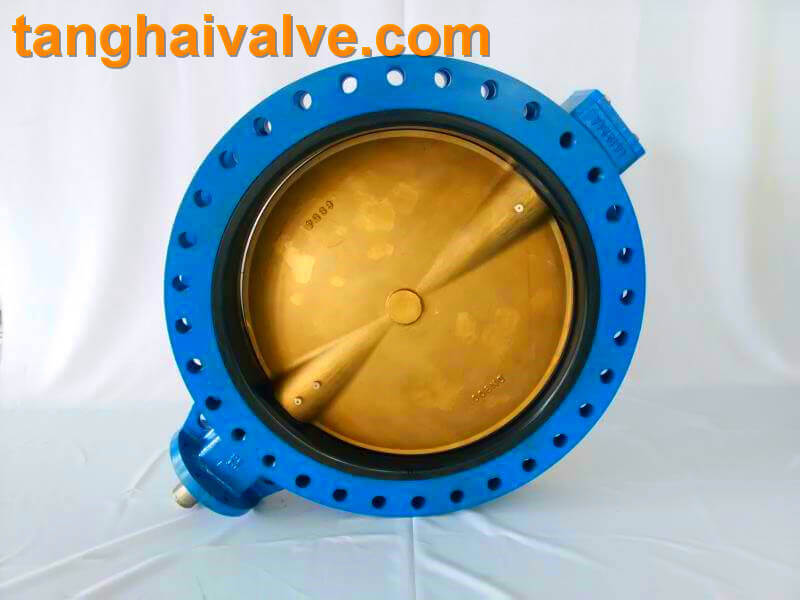
Tianjin Tanghai Valve Co., Ltd. is a professional marine valve manufacturer, including butterfly valve, check valve, gate /Knife gate valve. We have certificates: CE, ISO, BV, DNV foundry and products approval. Now we have our own independent R & D, manufacturing, assembly and warehousing workshops; we have professional pre-sale and after-sale technical support and perfect services. Below is our wafer butterfly valve of marine valves,if you need to check more information, please click here: https://www.tanghaivalve.com/wafer-type-butterfly-valve-th-btv-aw/

Please contact us if you need more support, please contact us freely: info@tanghaivalve.com.We are committed to “Build a top valve enterprise; Be a reliable partner!”Friends from all over the world are welcome to visit us for evaluation, guidance, and orders!

Marine Bronze Butterfly Valve

Certified Reliability for Marine & Offshore Applications

The Marine Bronze Butterfly Valve is specially engineered for shipboard and marine piping systems, where long-term reliability and corrosion resistance are essential. Manufactured from high-quality bronze or aluminum bronze alloys, this valve delivers excellent performance in seawater, salt spray, and harsh marine environments.

With a compact structure and quick quarter-turn operation, it is an ideal solution for both on/off service and flow regulation in marine applications.

Key Advantages

Outstanding Seawater Corrosion Resistance
Marine-grade bronze and aluminum bronze materials provide excellent resistance to seawater corrosion, erosion, and biofouling, ensuring long service life in demanding marine conditions.

Compact & Lightweight Design
The butterfly valve design minimizes weight and installation space, making it especially suitable for shipboard systems with limited space.

Quick & Efficient Operation
A 90° quarter-turn mechanism allows fast opening and closing, improving operational efficiency and system response.

Flexible Installation Options
Available in wafer, lug, and flanged types, compatible with various marine piping standards.

Multiple Actuation Options
Manual lever, worm gear, pneumatic, or electric actuators are available to meet different operating and automation requirements.

Classification Society Approval Available

The Marine Bronze Butterfly Valve can be supplied with classification society certification, including:

ABS (American Bureau of Shipping)/DNV (DNV – Maritime & Offshore)

CCS (China Classification Society)/LR / LRS (Lloyd’s Register)

Certification can be provided according to project or shipowner requirements, ensuring full compliance with international marine standards.

Typical Marine Applications

Seawater cooling systems/Ballast water systems/Fire-fighting pipelines

Freshwater and service water systems/Offshore and marine auxiliary systems

Widely used on commercial vessels, offshore platforms, and marine engineering projects.

Materials & Specifications (Typical)

Body / Disc: Bronze or Aluminum Bronze (e.g. C95400, C95800)

Stem: Stainless steel or corrosion-resistant alloy/Seat: EPDM, NBR, PTFE

Size Range: DN40 – DN1200 (1½″ – 48″)/Pressure Rating: PN6 – PN16 / ANSI Class 125 – 150

Operation: Lever, Gear, Pneumatic, Electric

Other materials and configurations are available upon request.

A Trusted Choice for Marine Service

Combining marine-grade materials, flexible certification options, and reliable performance, the Marine Bronze Butterfly Valve is a proven solution for shipowners and marine engineers seeking durability, safety, and long-term value.

U-Type Marine Concentric Butterfly Valve Introduction

1. Overview

The U-type marine concentric butterfly valve is a wafer-style soft-seated valve designed for shipboard piping systems.
Featuring a U-shaped body groove and a concentric disc-shaft structure, the valve provides reliable shut-off performance, excellent corrosion resistance, and easy installation with marine-standard flanges.
It is widely used for seawater, cooling water, ballast water, fire-fighting, and various utility lines on vessels.

2. Design Characteristics

Concentric Structure (Center-Line Design)
The disc and shaft share the same centerline, providing stable torque, low operating resistance, and tight shut-off.

U-shaped Groove Body
Ensures accurate alignment with JIS / DIN / ANSI marine flanges and enhances sealing integrity.

Soft Seat Sealing
EPDM, NBR, PTFE, or Viton seats deliver excellent sealing performance and low leakage (Bubble-Tight).

Lightweight & Space-Saving
Compact body design is ideal for marine engine rooms and confined piping spaces.

Quick Operation
90° rotation with lever, gear operator, pneumatic actuator, or electric actuator.

Excellent Corrosion Resistance
Common marine materials such as C95400, C95800, CF8M, and duplex stainless steel ensure long service life in seawater applications.

3. Typical Materials

Body: Aluminum Bronze C95400 / C95800/Stainless Steel CF8 / CF8M

Duplex Stainless Steel S31803 / S32750/Ductile Iron with marine epoxy or rubber lining

Disc: C95400 / C95800 / SS316 / SS316L/Duplex Stainless Steel/Ni-plated Ductile Iron

Shaft: SS316/Duplex Steel

Seat: EPDM (recommended for seawater)/NBR (for oil-related media)/PTFE (for corrosive chemical media)/Viton (for high temperature or special fluids)

4. Applications

U-type concentric butterfly valves are commonly used in:

Seawater cooling systems,Ballast water pipelines,Engine room and machinery space piping,Fire-fighting lines,HVAC systems,Fresh water and utility pipelines

Water treatment and bilge systems

5. Applicable Standards

Marine Class Approvals: DNV / ABS / LR / BV / NK / RINA

Face-to-Face: ISO 5752 / EN 558

Flanges: JIS 5K/10K, DIN PN10/16, ANSI Class 150

Actuator Mounting: ISO 5211

Available with EN 10204 3.1 / 3.2 Certificates

Introduction of SS304 Disc for Concentric Type Butterfly Valve

The SS304 disc is one of the most commonly used materials for concentric type butterfly valves, offering an excellent balance of corrosion resistance, strength, and cost-effectiveness.

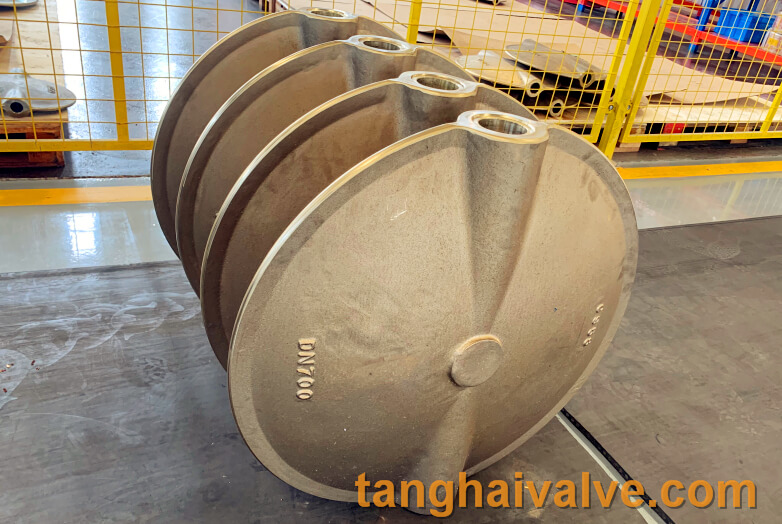
center-line butterfly valve plate disc parts (12)

center-line butterfly valve plate disc parts (12)

SS304 (AISI 304 / ASTM A351 CF8) is an austenitic stainless steel containing approximately 18% chromium and 8% nickel, which provides outstanding resistance to oxidation and a wide range of mild corrosive environments.

When used in concentric butterfly valves, the SS304 disc ensures:
Good corrosion resistance in air, water, and most neutral or mildly corrosive fluids.

High strength and durability, making it suitable for both industrial and marine applications.

Smooth surface finish, minimizing flow resistance and preventing medium buildup.

Compatibility with various seat materials (such as EPDM, NBR, or PTFE) for versatile service conditions.

Typical applications include water treatment, HVAC systems, general industry, shipbuilding, and chemical processes where moderate corrosion resistance is required.

Full Lined PTFE Butterfly Valve

What is a Full Lined PTFE Butterfly Valve?


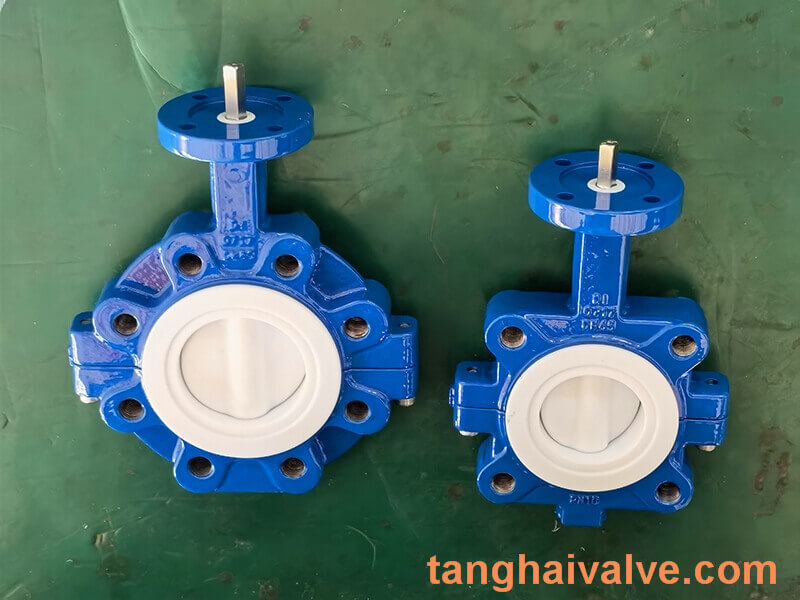
A full-lined PTFE butterfly valve is a butterfly valve whose wetted (fluid-contact) surfaces (body interior + disc / plate + sometimes stem bushing, etc.) are fully lined with PTFE (Polytetrafluoroethylene) or a similar chemically inert fluoropolymer. The lining protects the metal against corrosion and chemical attack. Useful for acids, alkalis, aggressive chemicals, etc.
Key features often include:
Full PTFE lining: Body & disc (sometimes liner also for shaft sealing) so that the medium does not contact the metallic parts.
Valve types: Wafer, Lug, Flanged, split-body, two-piece body, etc.
Pressure ratings: Commonly PN10, PN16, ANSI 150 / Class 150, sometimes lower / higher depending on size & design.
Size range: From small (DN50 / 2″) up to large (DN600, DN1200 etc) depending on manufacturer.
Temperature range: Depends on PTFE and other materials. Usually −20°C up to about +150°C (sometimes more, sometimes less).
Body and disc materials: Stainless steel, cast iron, ductile iron, carbon steel, etc, but protected by the PTFE lining.

Pros & Cons

Pros Cons / Limitations
Excellent chemical resistance (acids, alkalis, corrosives) PTFE lining adds cost; thick lining can reduce opening torque / increase weight in large sizes.
Non-stick, easy cleaning, long life in aggressive media Limited temperature range (PTFE softens above certain temps / creep can be issue at high temp and load).
Good sealing (if well designed) Mechanical strength of valve body still matters; PTFE can deform under high pressure differential if design not proper.
Can prevent metal contamination for purity/clean fluid applications Repair/lining replacements can be more complex than unlined types.

What to Check / Ask For When Buying
If you are selecting a supplier or model, consider:
1.Lining quality & method
How is the PTFE liner attached (bonded, mechanically fixed)?
Is the disc also lined or just the body?
2.Pressure & temperature ratings
At your operating temperature & pressure, is the PTFE specification valid? (PTFE has limits).
Overpressure, vacuum capability.
3.Standards & test certificates
Compliance: API609, EN593, EN12266, ISO5752, ANSI, etc.
Leakage class, tightness tests.
4.Connection type
Wafer, lug, flange types. Which suits your piping system.
5.Actuation
Manual lever, gear, pneumatic, electric. Torque required (PTFE adds friction sometimes).
6.Maintenance
Can the liner/disc be replaced or serviced? Spare parts available.
Expected lifetime under your fluid & environment.
7.Chemical compatibility
The specific chemicals, concentration, temperature, etc. Make sure PTFE is compatible.

C95200 Aluminum Bronze Disc for Centric Butterfly Valves

1. Material Description
Grade: C95200
Alloy Name: Aluminum Bronze
Main Chemical Composition:
Cu ≈ 85% Al ≈ 10% Fe ≈ 3–4% Ni/Mn: trace elements
Standards: ASTM B148 / B584
Key Properties: High strength, excellent wear resistance and outstanding corrosion resistance in seawater and mildly corrosive environments.
2. Product Features
Seawater Corrosion Resistance – Exceptional performance in marine and offshore conditions.
High Mechanical Strength – Higher tensile and yield strength compared to tin bronze, suitable for demanding applications.
Excellent Wear Resistance – Ensures long-term sealing stability under frequent opening and closing.
Soft-Seat Compatibility – Works with EPDM, NBR, Viton and other elastomers for zero-leakage sealing.
3. Applications
Marine centric (soft-seated) butterfly valves.
Ballast water, seawater cooling, fire-fighting, desalination and other pipeline systems.
Ports, docks, offshore platforms and chemical plants requiring corrosion-resistant piping.
4. Specifications
Size Range: DN50 – DN1200 (or per customer drawing).
Pressure Ratings: PN10 / PN16 / Class 150.
Design Options: Pin and pinless disc structures available.
Surface Finish: Precision machined and polished; optional anti-rust coating.
5. Quality Assurance
100% spectrographic analysis of raw materials.
Radiographic/ultrasonic testing of castings and hydrostatic tests.
Dimensional accuracy and surface roughness in compliance with international standards.
6. Supply & Customization
OEM/ODM production according to customer drawings or samples.
Logo or marking customization available.
English technical documents, 3D drawings and export packaging provided.

Installation Locations of Concentric Butterfly Valves in Marine Applications

Concentric butterfly valves, also known as centerline butterfly valves, are widely used in marine piping systems due to their compact structure, light weight, quick operation, cost efficiency, and adaptability to various media. Below are the typical installation positions and application systems on ships:

Common Installation Locations & Applications

Ballast Water System

Installed between ballast tanks and ballast pumps.

Used to control seawater intake and discharge, adjusting ship stability and draft.

Cooling Water Systems (Seawater/Freshwater)

Installed on inlet/outlet pipes of engines, condensers, and heat exchangers.

Controls the flow of cooling water, ensuring efficient heat dissipation.

Bilge System

Located at the suction lines of bilge pumps or branch pipelines.

Manages bilge water discharge from different compartments.

Sanitary and Sewage Systems

Installed between sewage holding tanks and treatment units.

Ensures safe flow control and maintenance isolation.

Ventilation and HVAC Systems

Mounted in ventilation ducts to regulate or shut off airflow.

Ideal for confined spaces with limited installation clearance.

Fuel and Lubricating Oil Systems

Applied in low-pressure areas for oil flow control and emergency shut-off.

Suitable for non-critical and low-temperature locations.

Deck Service Lines (e.g., Fresh Water, Tank Washing Water)

Installed on deck piping systems to manage service fluid distribution.

Found under deck, in passageways, or utility corridors.

Installation Notes for Concentric Butterfly Valves

Recommended positions: Mid-pipeline or near the equipment inlet/outlet.

Shaft orientation: For horizontal pipelines, it’s advised to install with the shaft vertical (disc horizontal).

Ease of maintenance: Ensure installation allows for convenient access.

Suitable media: Seawater, freshwater, air, sewage, light oil, and other non-corrosive or mildly corrosive fluids.

Difference Between Low Temperature Valves and Normal Temperature Valves in Marine Applications

In marine valve applications, low temperature valves and normal temperature valves are designed for different working conditions. Their main differences are as follows:

  1. Operating Temperature Range

normal temperature valves are designed for media with temperatures ≥ -29°C (e.g. seawater, freshwater, fuel oil, compressed air).

Low temperature valves are designed for extremely low temperatures ≤ -29°C, such as -46°C, -101°C, -196°C, used for LNG, LPG, liquid nitrogen, etc.

  1. Material Selection

normal temperature valves use conventional materials like carbon steel (WCB), stainless steel (CF8/CF8M), or bronze.

Low temperature valves require special low-temperature-toughness materials, such as:

Low-temperature carbon steel (LCB, LC2)

9% Nickel steel

Austenitic stainless steel (304, 316L)

Aluminum alloy, Monel alloy

These materials maintain ductility and toughness at  Low termperature temperatures, preventing brittle failure.

  1. Structural Design

Normal temperature valves have standard designs without special considerations for thermal contraction.

Low temperature valves incorporate:

Extended bonnet (to keep packing away from the cold zone)

Special low-friction sealing materials suitable for low temperatures

Designs that minimize leakage and avoid jamming due to thermal contraction

  1. Testing Requirements

Normal temperature valves are tested according to standard marine class rules (e.g. API, ISO, CCS, LR).

Low temperature valves undergo additional tests, such as:

Impact test at  Low temperature temperature

Low-temperature sealing and functional tests

  1. Typical Applications
Item Normal temperature Valves  Low temperature Valves
Medium Seawater, freshwater, fuel oil, air LNG, LPG, liquid nitrogen
Temperature ≥ -29°C ≤ -29°C
Typical Use General ship piping systems LNG carriers, LPG carriers,  Low temperature storage


Low temperature valves are specifically engineered for ultra-low temperature service, with materials, design, and testing tailored to prevent cold brittleness and leakage. normal temperature valves are not suitable for  Low temperature applications.